
Cart is empty








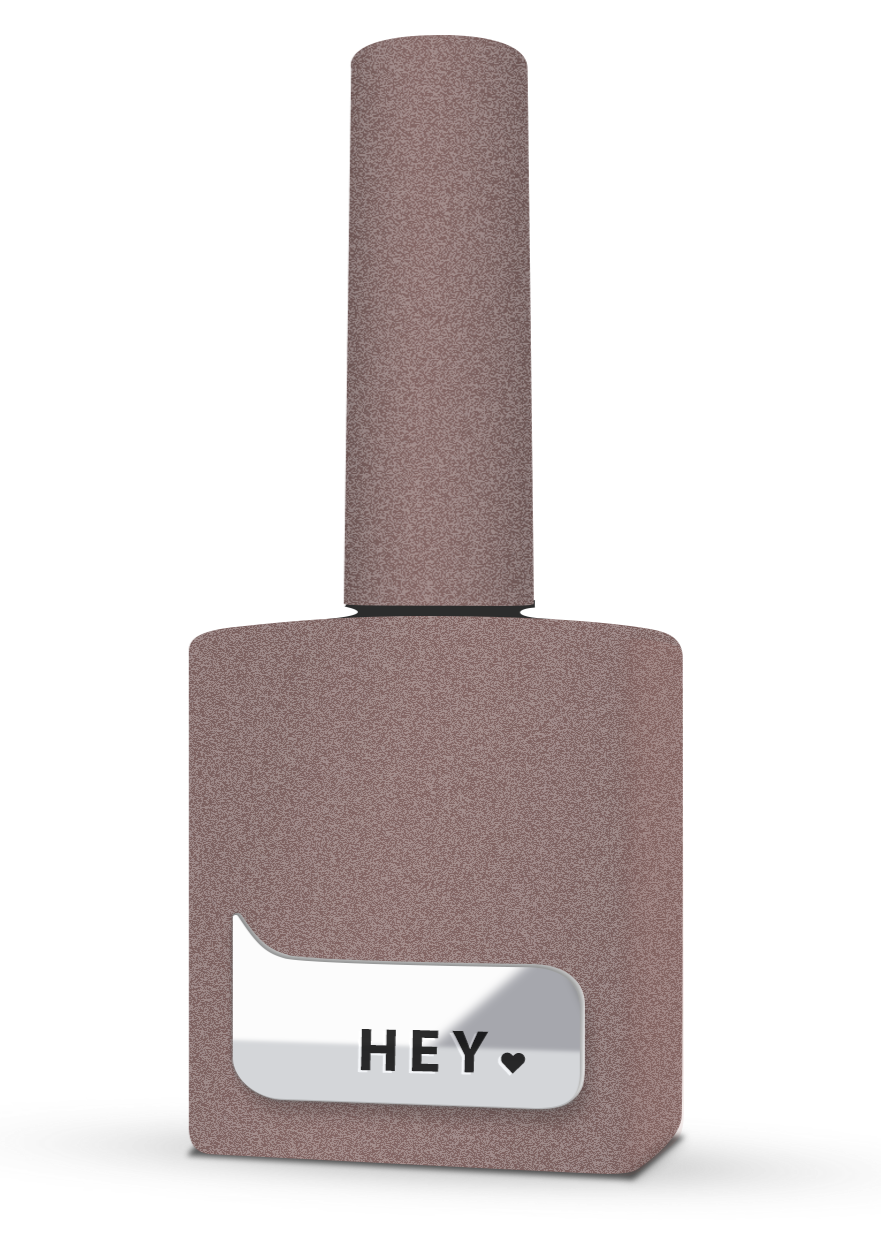
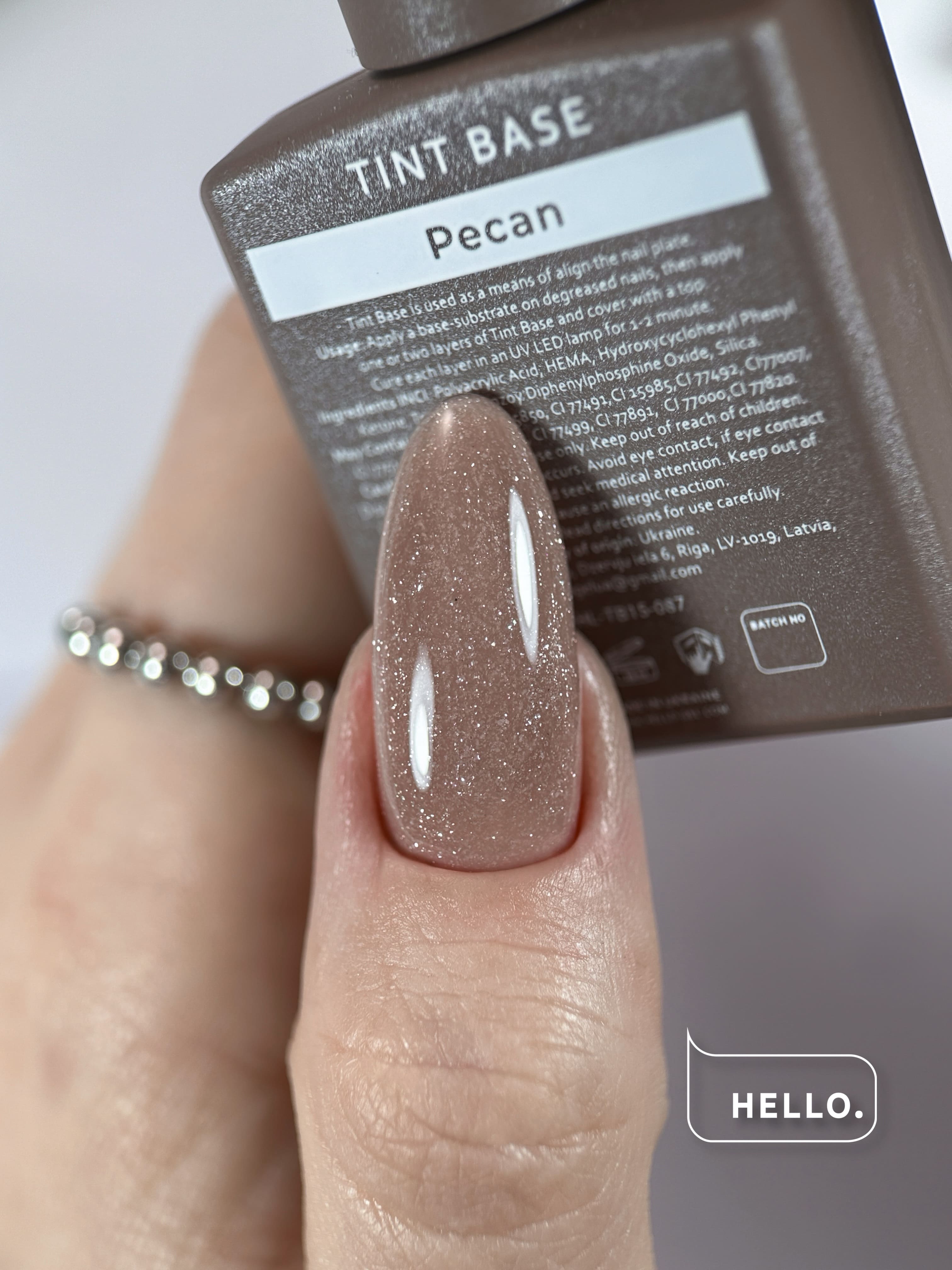
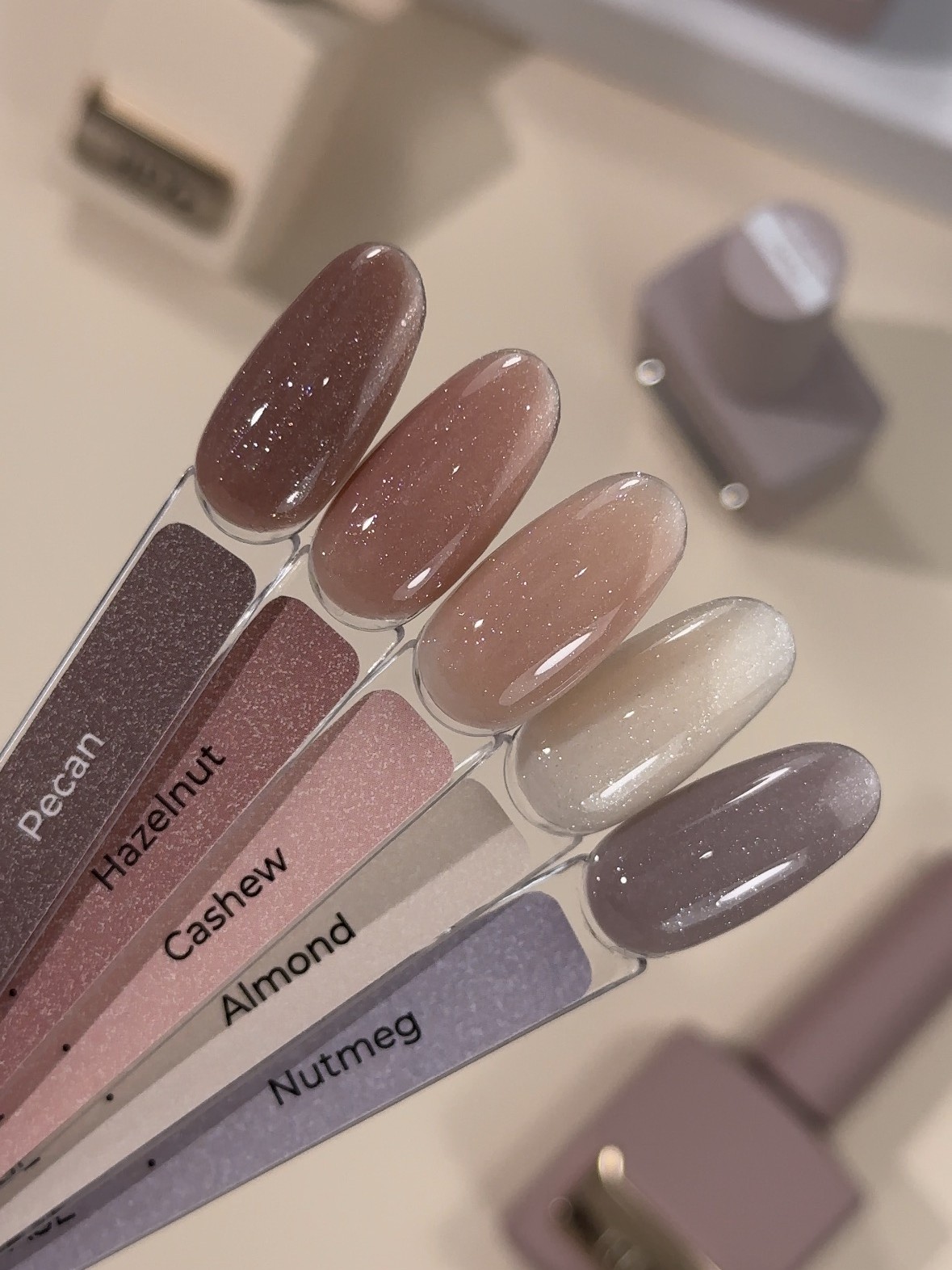
HEYLOVE. Tint base, PECAN, 15 ml, tinted base with shimmer


We pack and quote today
We pack tomorrow
We accept orders until 15:00 Kyiv time, Mon–Fri
Shipping is not in the price
We weigh your packed parcel and send you a photo on the scales together with the carrier's quote. Don't like it — cancel free of charge.
Worldwide, usually ~7 days
Tracking number the moment we ship. Europe — daily private couriers (PL, DE, IT, ES, FR, CH).


Pay from any country
Cards, PayPal, Apple Pay, Revolut, Paysend, Western Union, SWIFT

 PayPal
Revolut
PayPal
Revolut
PayPal
Revolut
A manager, not a robot
WhatsApp / Telegram / Viber +380 93 595 4926
Description
Thanks to its dense pigmentation and elasticity, PECAN tinted base creates a perfectly even coating after just one coat.
Video:https://www.instagram.com/reel/C4Dx8suo3jj/?igsh=MXVqZnB5bGcwdWptYw==
Shade: cocoa
Collection: NUTS
Consistency: medium
Hardness/Elasticity: elastic
Acidity: neutral, pH=6.7
Odor: neutral
Pigmentation: dense, covers the free edge
How to use:
-
Thoroughly degrease the nail plate with phBond dehydrator.
- Apply Ultrabond acid-free primer to the nail tip and wait for the liquid to dry completely.
-
Apply a layer of clear Rubber base as a base coat and cure for 30 seconds.
-
Apply one or two coats of Tint base. Cure in UV/LED lamp for 60 seconds.
-
Finally, apply a finishing coat (top).
Volume: 15 ml
Manufacturer: TM "HEYLOVE"
Country: Ukraine
Ingredients (INCI): Polyacrylic Acid, HEMA, Hydroxycyclohexyl Phenyl Ketone, Ethyl Trimethylbenzoyl Phenylphosphinate, Silica.
May Contain: CI 45380, CI 15850, CI 77491,CI 15985,CI 77492, CI77007, CI 77510, CI 77742, CI 77289, CI 77499, CI 77891, CI 77000
Warning! To avoid unwanted polymerization of the material during work, testing or content shooting, the open bottle or brush should be kept as far away from daylight as possible (especially from direct sunlight). Also please note that even in cloudy weather clouds transmit a large amount of ultraviolet radiation, which is sufficient for the material to start polymerizing. When painting tips, we recommend keeping the working side of the UV lamp that is working facing away from the master. If the switched-on lamp is held with the light towards the master, unwanted polymerization of the material on the brushes and on the necks of open bottles may occur.
Note: all documents are in attached files!
How to prevent bubbles in the material?Bubbles can appear in any liquid. This does not depend on the formula or ingredients. It depends on the density (viscosity).
It's just a law of physics, nothing else.
For example, in water bubbles last very briefly and come out on their own.
If we take thicker liquids (honey, thick builder gel, etc.), bubbles readily settle in these products and do not leave them as quickly as water.
So it is with the base. If you work with the brush carelessly, dipping it sharply into the bottle, it inadvertently acts as a blender, mixing the material with air, forming bubbles. This is especially true for materials in bottles with a brush.
Therefore, make CAREFUL, gentle movements with the brush!
Especially when the bottle is new and full.
When we were working on the development of the tint base product, we had a choice of density. We deliberately chose a medium consistency because this has advantages:
- the material does not run, does not flood;
- contours are clear without extra effort;
- the master calmly lays out the architecture and has time to check it by the shine;
- there is no need to apply a second coat to finish the architecture or camouflage the free edge.
Our production has equipment that prevents the formation of bubbles in the material at all stages – from mixing the pigment to filling into bottles.
We also warn our partners that we are against the store consultant opening the bottle for the customer and showing the material. Because a consultant who is not a master does not understand that bubbles can be created with the brush, even without realizing it.
Not to mention that the bottle necks look unsightly when they are soiled with material to the very top.
If bubbles appear in the material, how to fix it?
Unscrew the cap of the bottle, but do not pull out the brush.
Place in a warm (but not hot!) place overnight.
Or put the bottle in a plastic bag and immerse it in warm water (up to the shoulders).
According to the law of physics, in a warm environment molecules move faster, and this speeds up the process.
Air will come to the surface, it is lighter than liquid.
Reviews 4
5,0
Specifications
BrandHEYLOVE
Product typeColor rubber base / Camouflage base / colored
Volume15
CollectionNUTS
Country of originUkraine
ColorsНюдовые/бежевые/коричневые
PropertyOpaque, С блестящими частицами/поталью