
Il carrello è vuoto


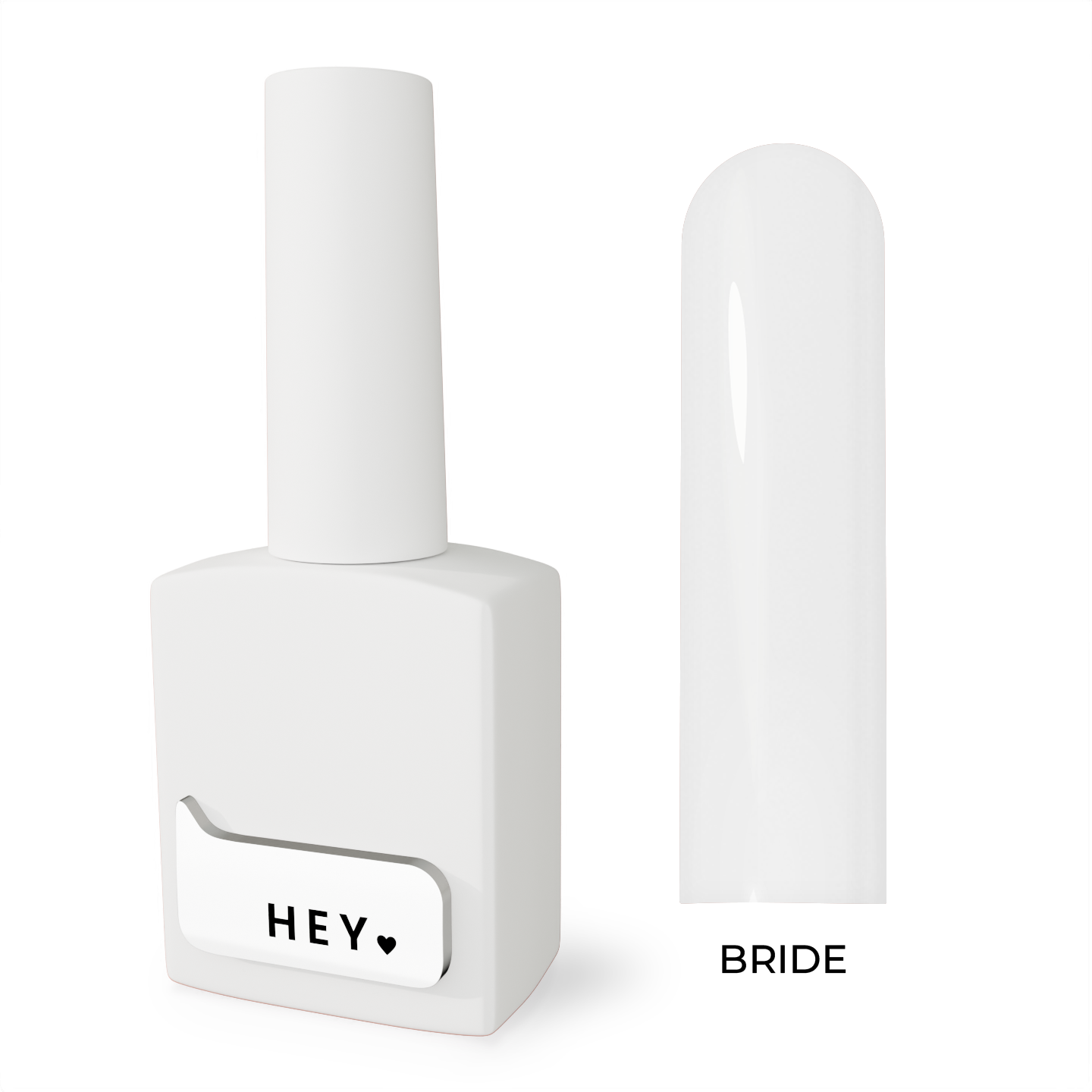
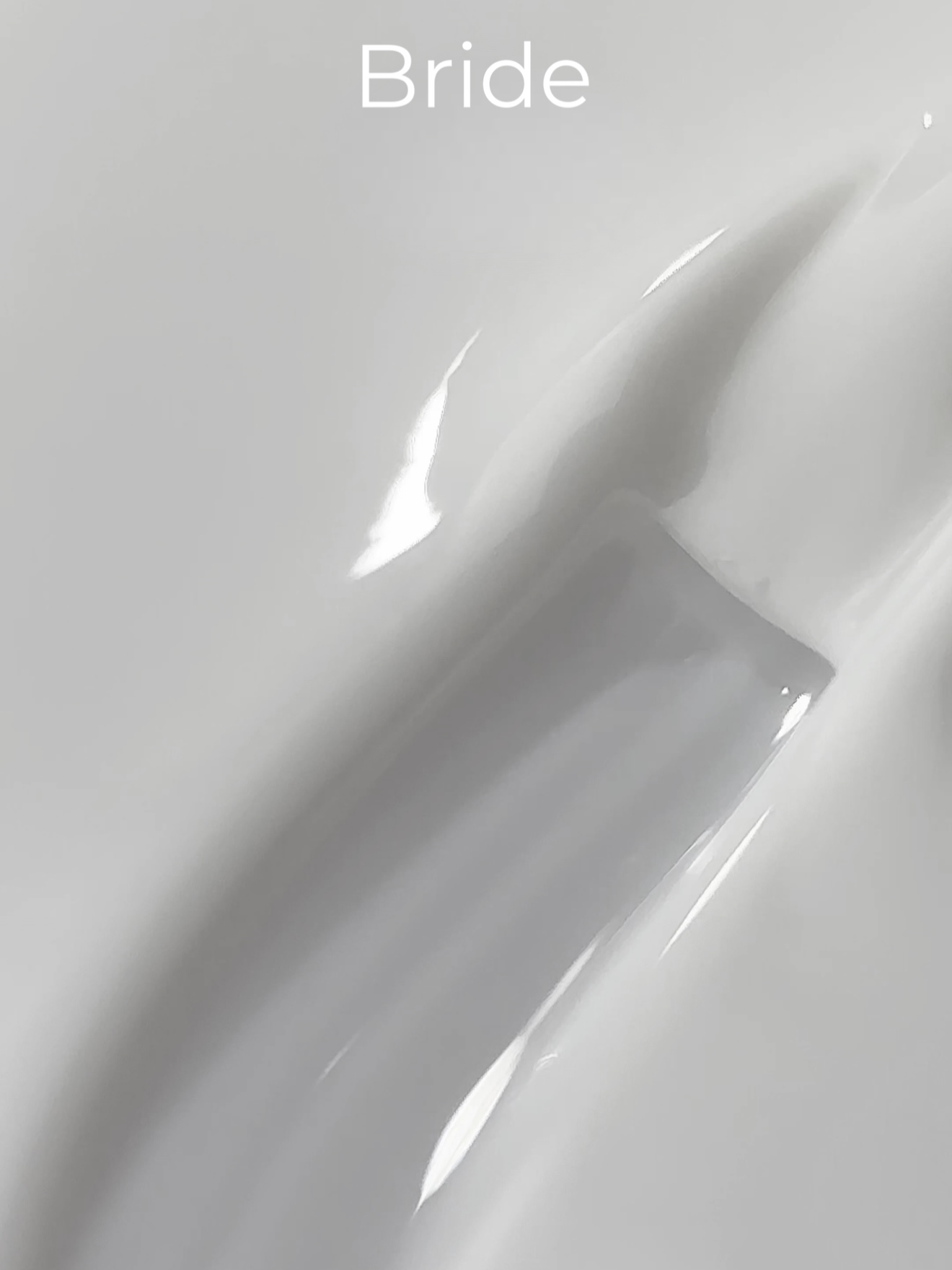
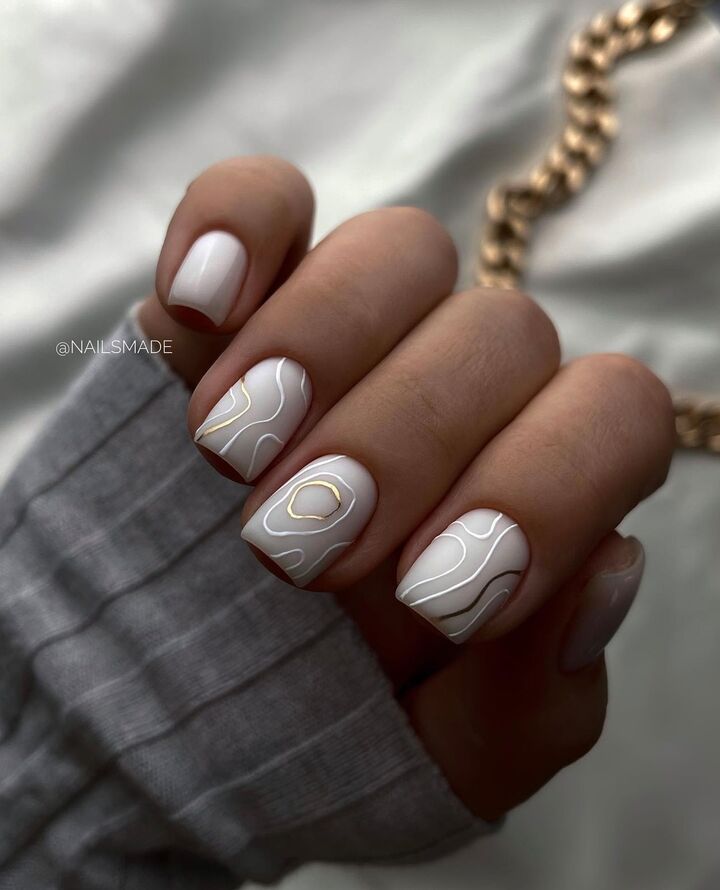
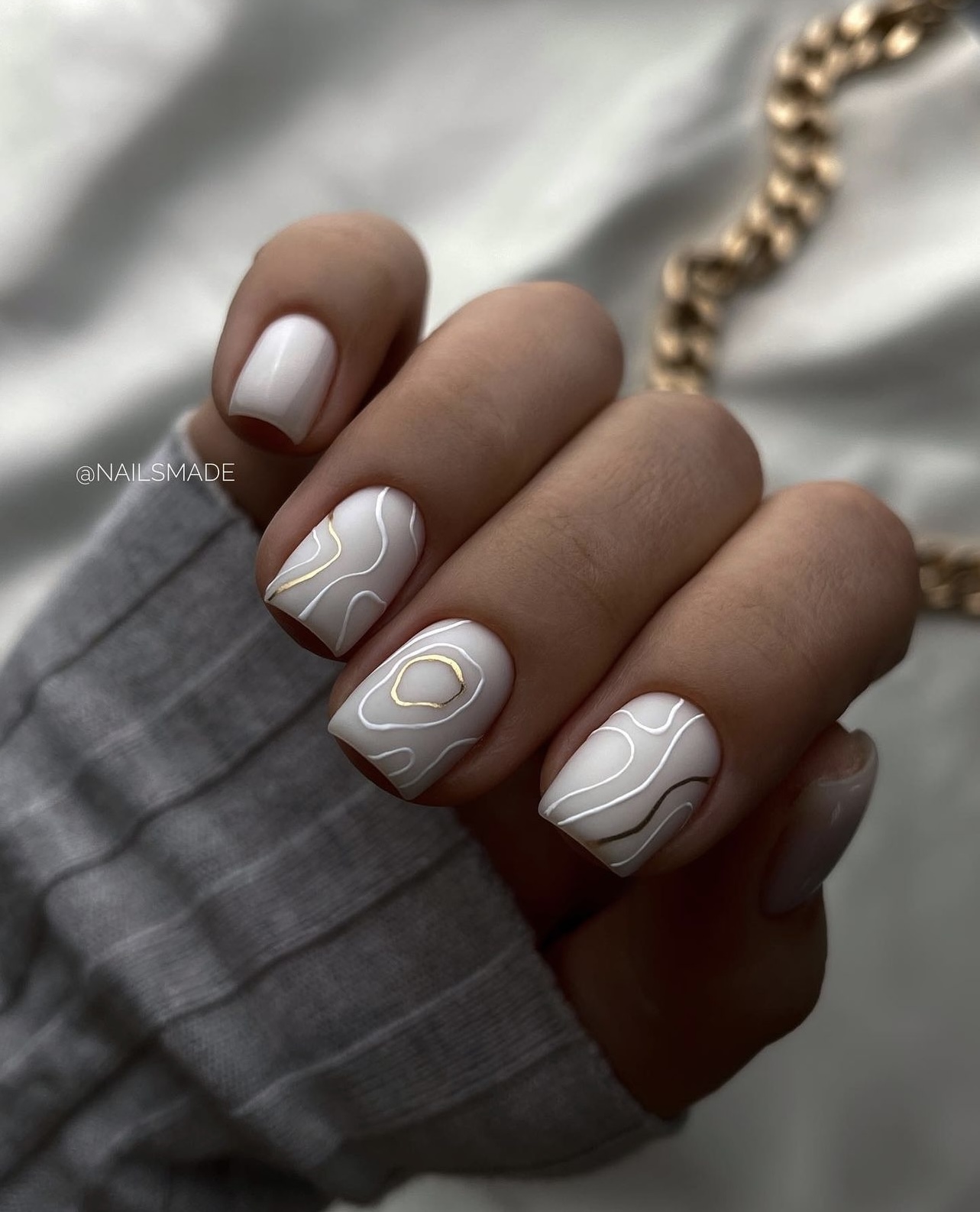
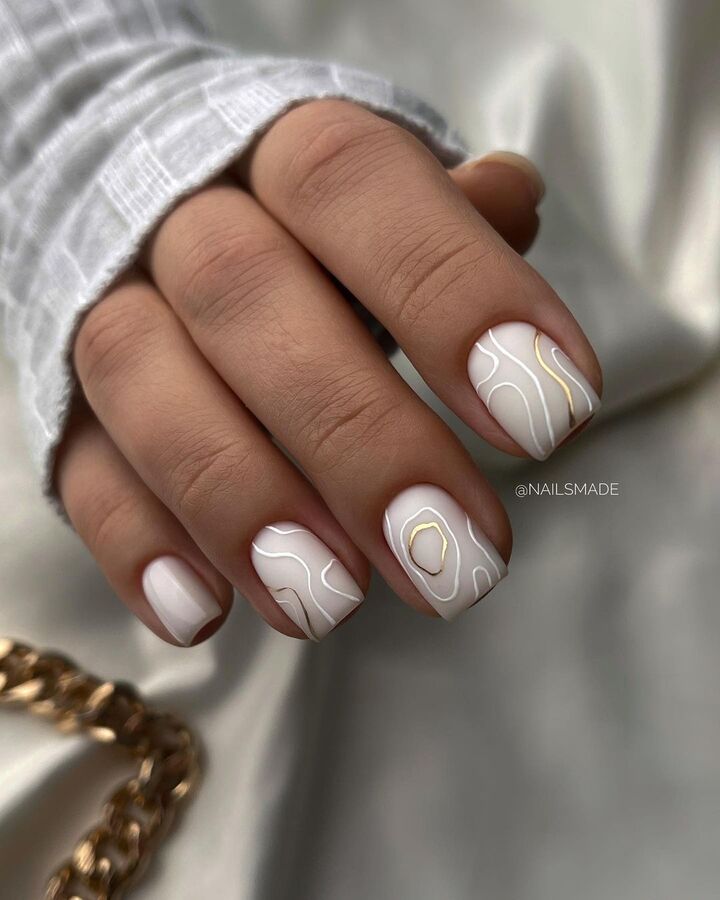
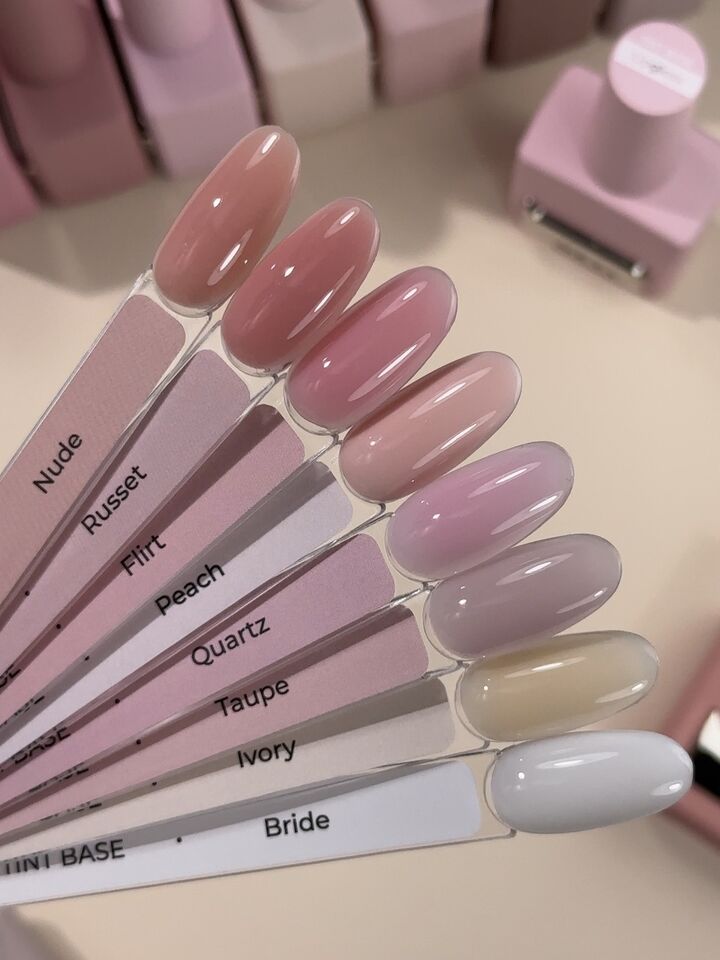
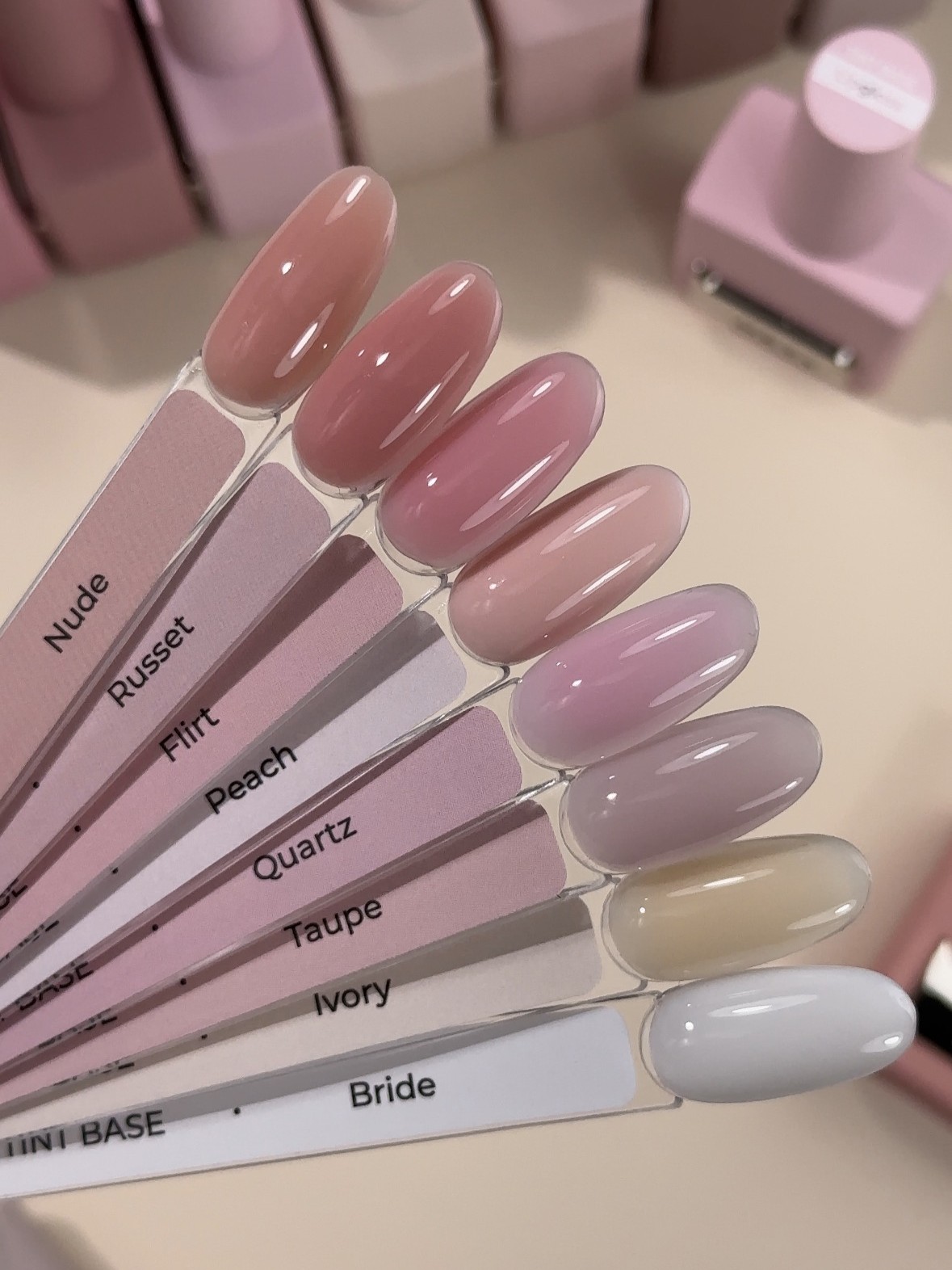
HEYLOVE. Tint base, BRIDE, 15 ml, tinted base
Imballiamo e preventiviamo oggi
Imballiamo lunedì
Accettiamo gli ordini fino alle 15:00 ora di Kyiv, lun–ven
La spedizione non è inclusa nel prezzo
Pesiamo il tuo pacco imballato e ti inviamo una foto sulla bilancia insieme alla tariffa del corriere. Non ti convince? Annulla gratis.
In tutto il mondo, di solito ~7 giorni
Numero di tracciamento non appena spediamo. Europa — corrieri privati giornalieri (PL, DE, IT, ES, FR, CH).


Paga da qualsiasi paese
Carte, PayPal, Apple Pay, Revolut, Paysend, Western Union, SWIFT


 PayPal
Revolut
PayPal
Revolut
Un operatore vero, non un robot
WhatsApp / Telegram / Viber +380 93 595 4926
Descrizione
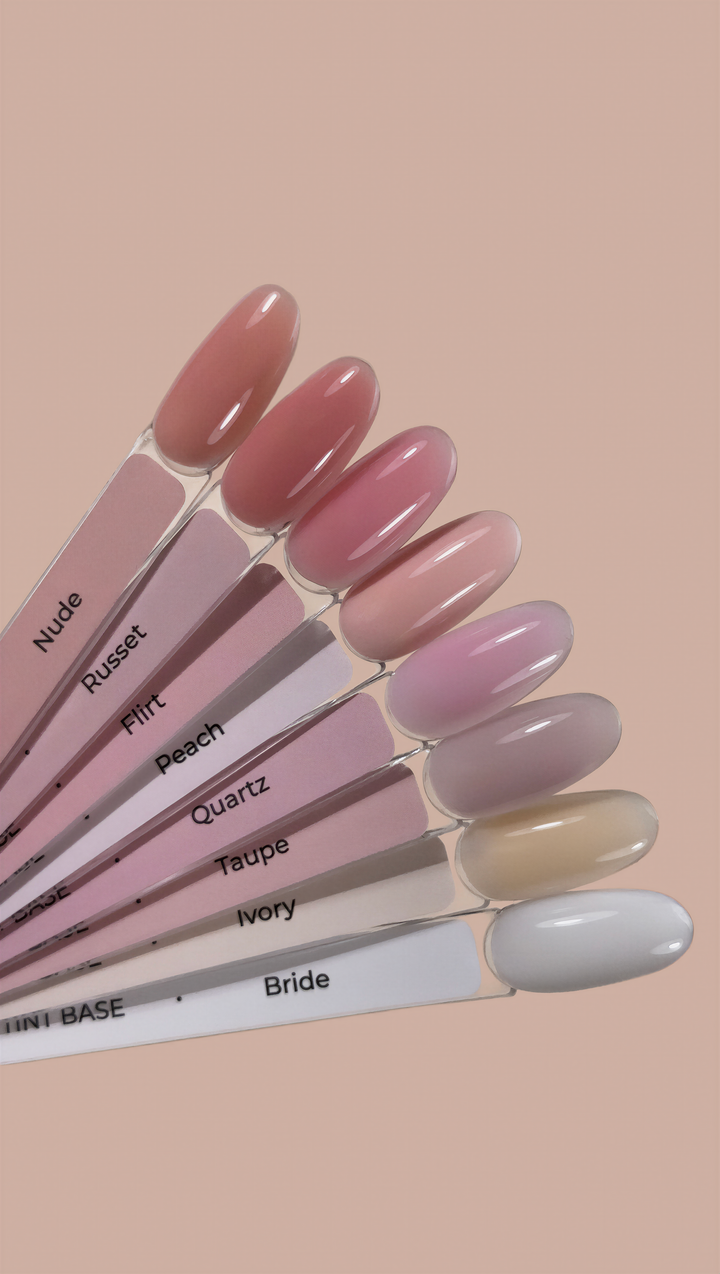
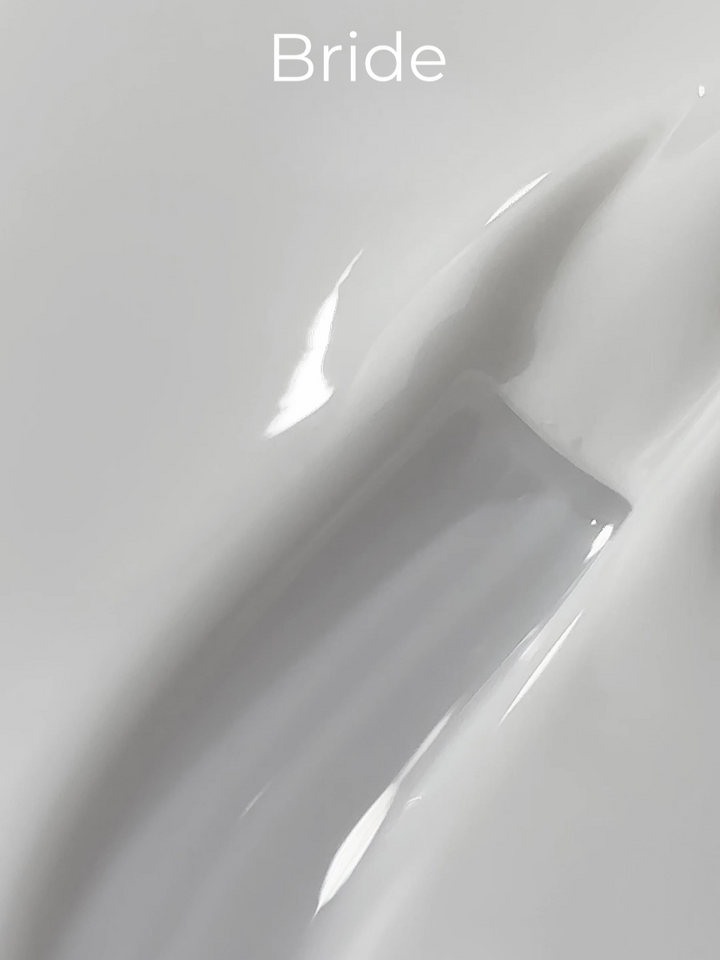
Grazie alla pigmentazione densa e all'elasticità, la base colorata BRIDE crea una copertura perfettamente uniforme già dopo l'applicazione del primo strato. Non cambia colore dopo la polimerizzazione.
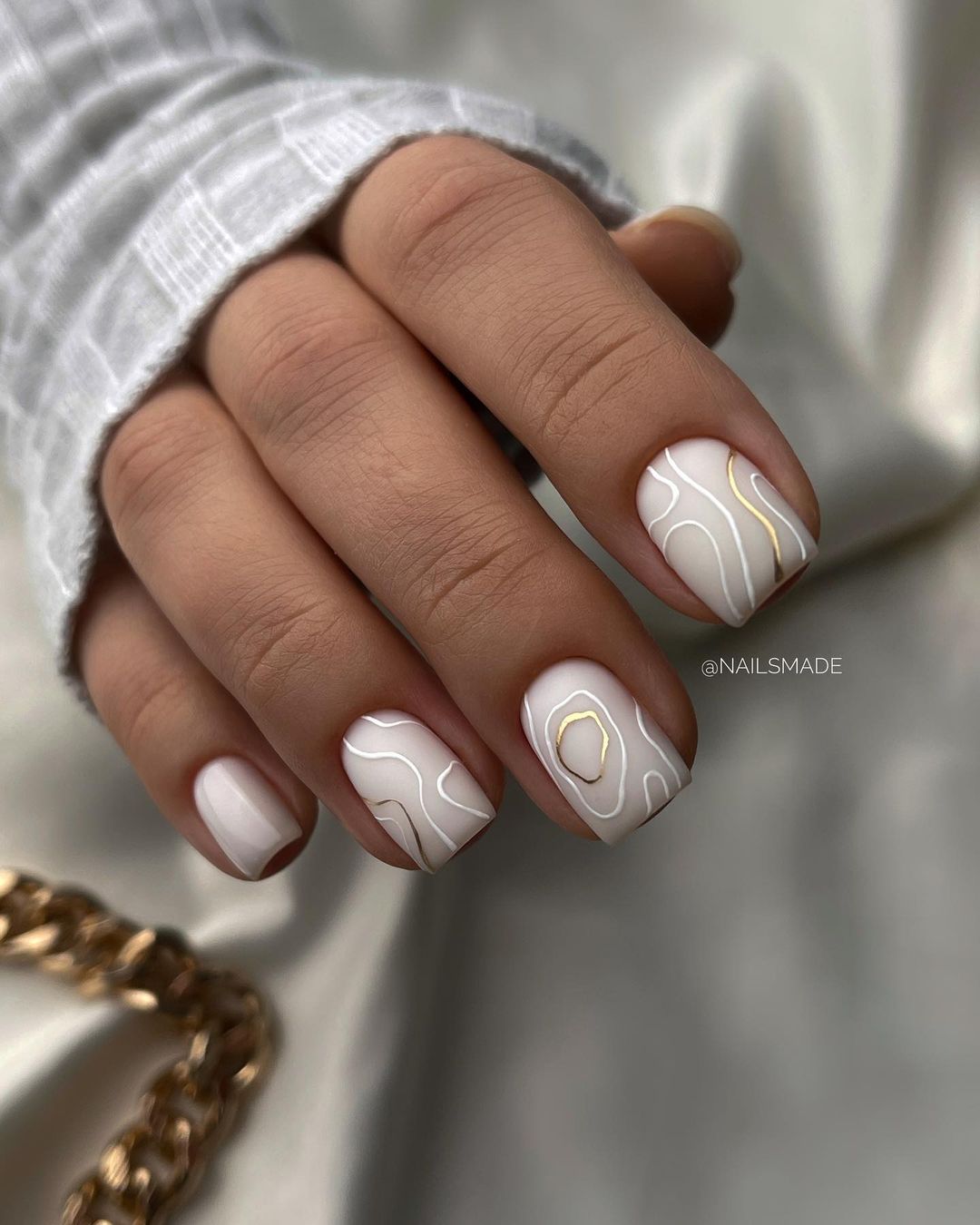
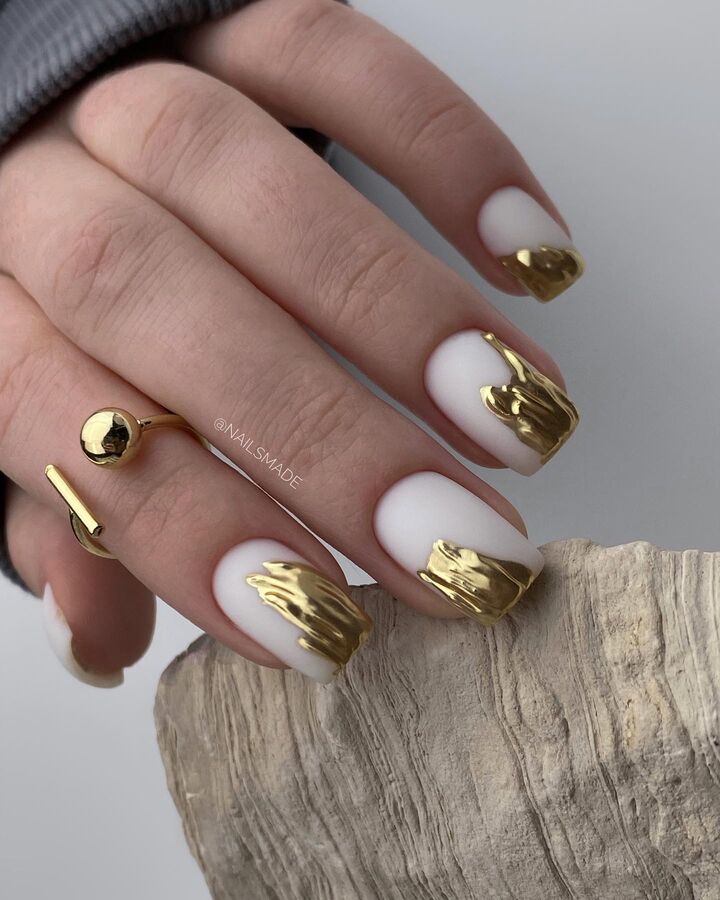
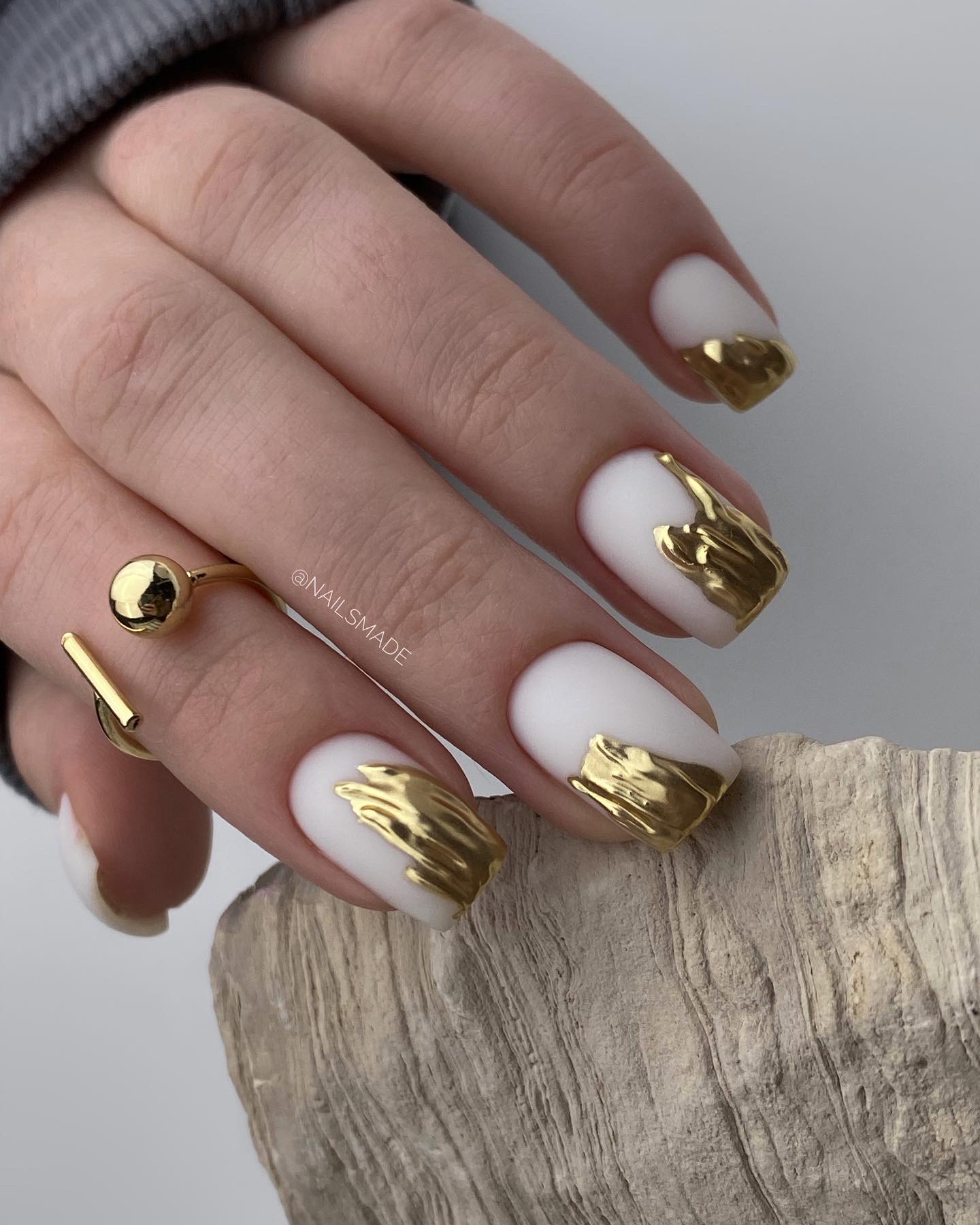
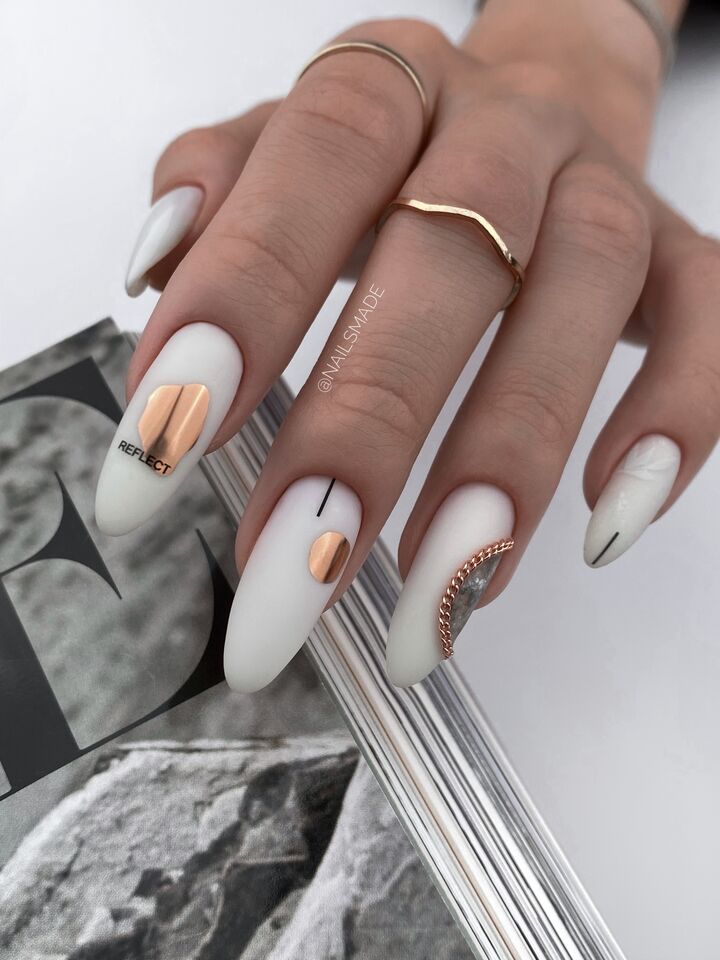
Tonalità: bianco latte
Collezione: NUDE
Consistenza: media
Durezza/elasticità: elastica
Acidità: neutra, pH=6,7
Odore: neutro
Pigmentazione: densa, copre il bordo libero
Istruzioni per l'uso:
-
Sgrassate accuratamente la lamina ungueale con un deidratatore phBond.
- Applicate sulla punta dell'unghia un primer senza acido Ultrabond e attendete la completa asciugatura del liquido.
-
Applicate uno strato di base trasparente Rubber base come sottostrato e polimerizzate per 30 secondi.
-
Applicate uno o due strati di Tint base. Tempo di polimerizzazione in lampada UV/LED 60 secondi.
-
Ultimo apply a ball finish coating (top coat).
Volume: 15 ml
Manufacturer: HEYLOVE
Country: Ukraine
Ingredients (INCI): Polyacrylic Acid, HEMA, Hydroxycyclohexyl Phenyl Ketone, Ethyl Trimethylbenzoyl Phenylphosphinate, Silica. May Contain: Cl 45380, Cl 15850, Cl 77491, CI 15985, CI 77492, Cl 77007, Cl 77510, CI 77742, CI 77289, CI 77499, CI 77891, CI 7700
Attention! To avoid unwanted polymerization of the material during work, testing, or content creation, keep the open bottle or brush as far away from daylight as possible (especially from direct sunlight). Also please note that even on cloudy days, clouds let through a large amount of ultraviolet radiation sufficient for the material to start curing. When painting tips, we recommend keeping the working side of the UV lamp turned away from the master. If you keep the lamp on with the light towards the master, unwanted polymerization of the material on the brushes and necks of open bottles may occur.
Note: all documents are in the attached files!
How to prevent bubbles in the material?Bubbles can appear in any liquid. This does not depend on the formula or ingredients. It depends on the density (viscosity).
This is simply a law of physics, nothing else.
For example, in water bubbles do not last long and come out on their own.
If we take thicker liquids (honey, thick builder gel, etc.) - in these products bubbles happily settle and do not leave as quickly as water.
The same goes with base coat. If you work with the brush carelessly, sharply dipping it into the bottle, it involuntarily acts as a blender that mixes the material with air, creating bubbles. This especially applies to materials in bottles with a brush.
Therefore, make CAREFUL, gentle movements with the brush!
Especially when the bottle is new and full.
When we were working on the development of the tint base product, we had a choice of density. We deliberately chose a medium-thickness consistency because it has advantages:
- the material does not run or seep anywhere;
- contours are clear without extra effort;
- the master calmly builds the architecture and has time to check it by the glare;
- there is no need to apply a second layer to refine the architecture or camouflage the free edge.
At our production facility, we have equipment that prevents the formation of bubbles in the material at all stages – from pigment mixing to filling into bottles.
We also warn our partners that we oppose the store consultant opening the bottle for the client and showing the material. Because a consultant who is not a master does not understand that the brush can create bubbles without even realizing it.
Not to mention that the necks of bottles look unaesthetic when they are stained with material up to the top.
If bubbles have appeared in the material, how can this be fixed?
Unscrew the bottle cap, but do not remove the brush.
Place it in a warm (but not hot!) place overnight.
Or put the bottle in a plastic bag and immerse it in warm water (up to the neck).
According to the law of physics, in a warm environment molecules move faster, and this accelerates the process.
Air will rise to the surface, as it is lighter than the liquid.
Caratteristiche
MarcaHEYLOVE
Tipo di prodottoColor rubber base / Base camouflage colorata
Volume15
CollezioneNUDE
Paese produttoreUcraina
ColoriBianco / latte
Proprietàdenso
Documenti
Recensioni 6
5,0