
Koszyk jest pusty


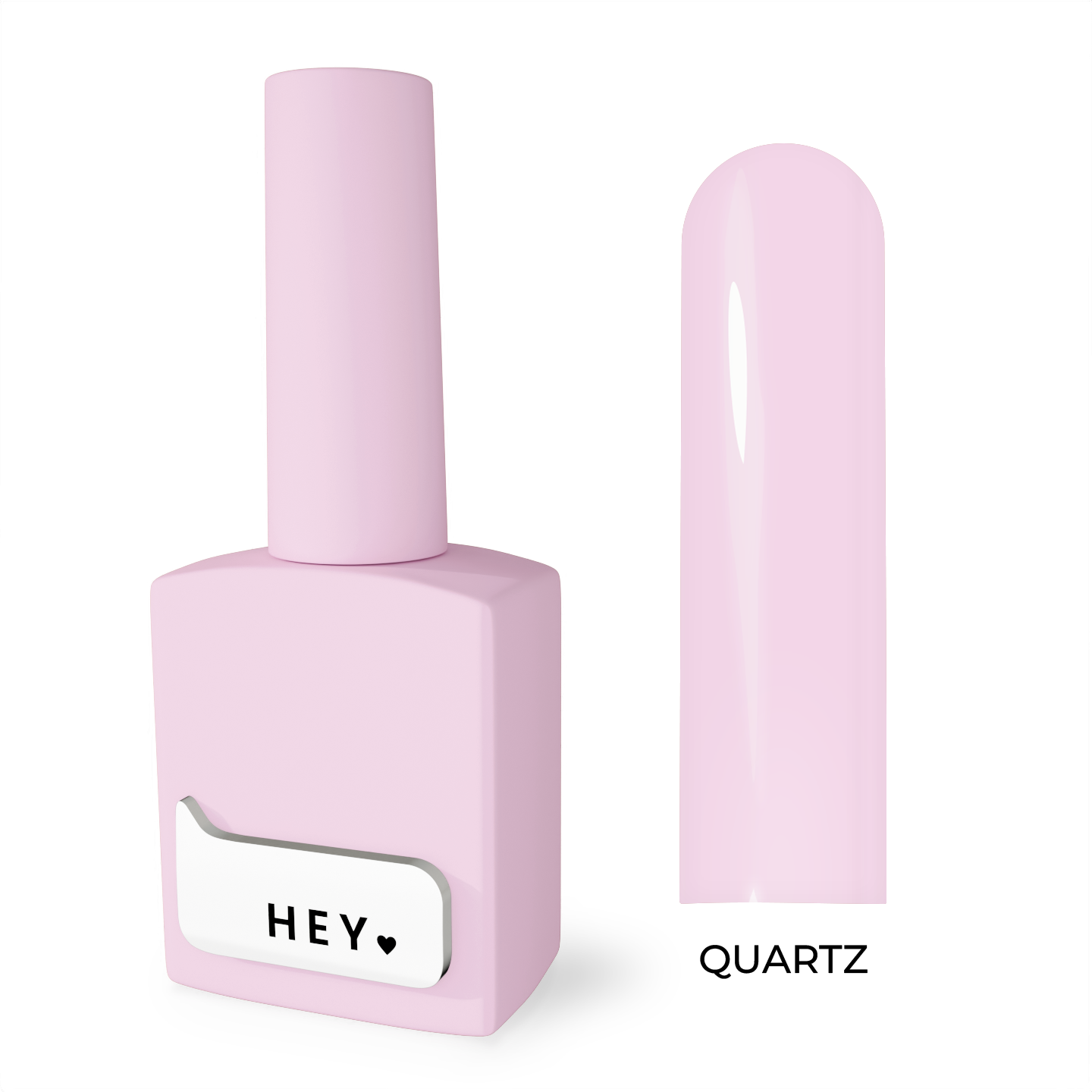
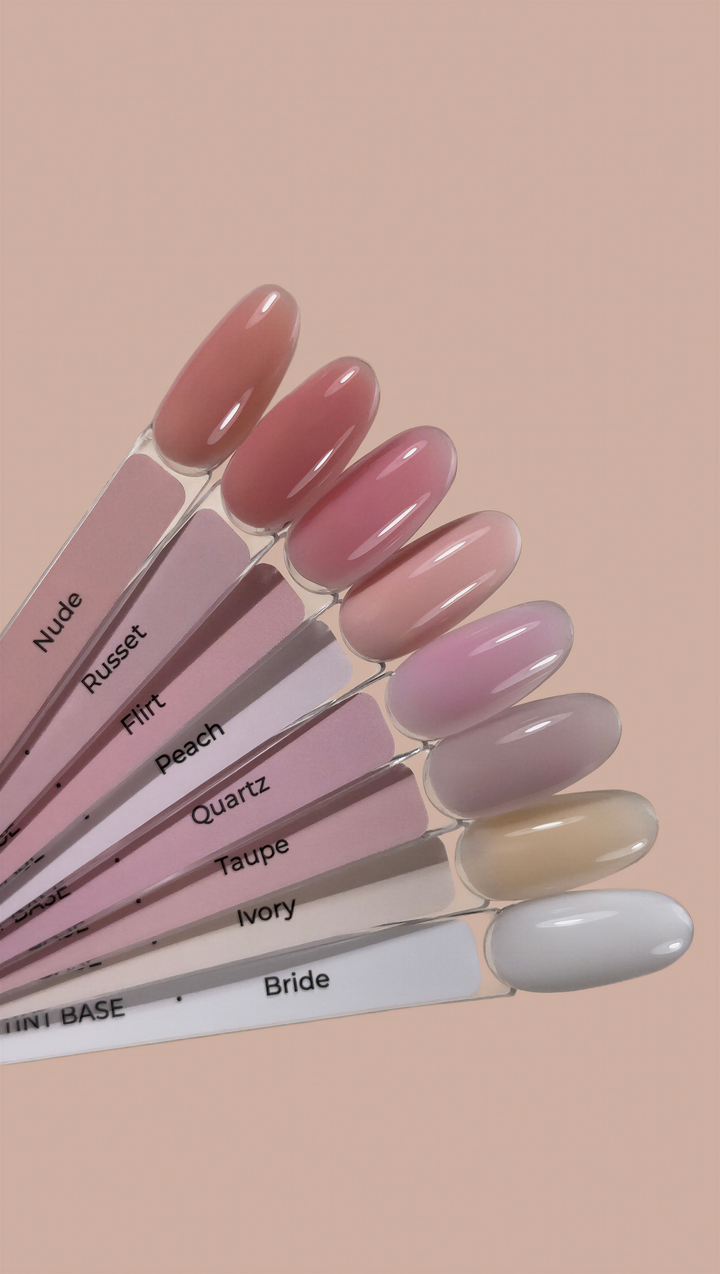
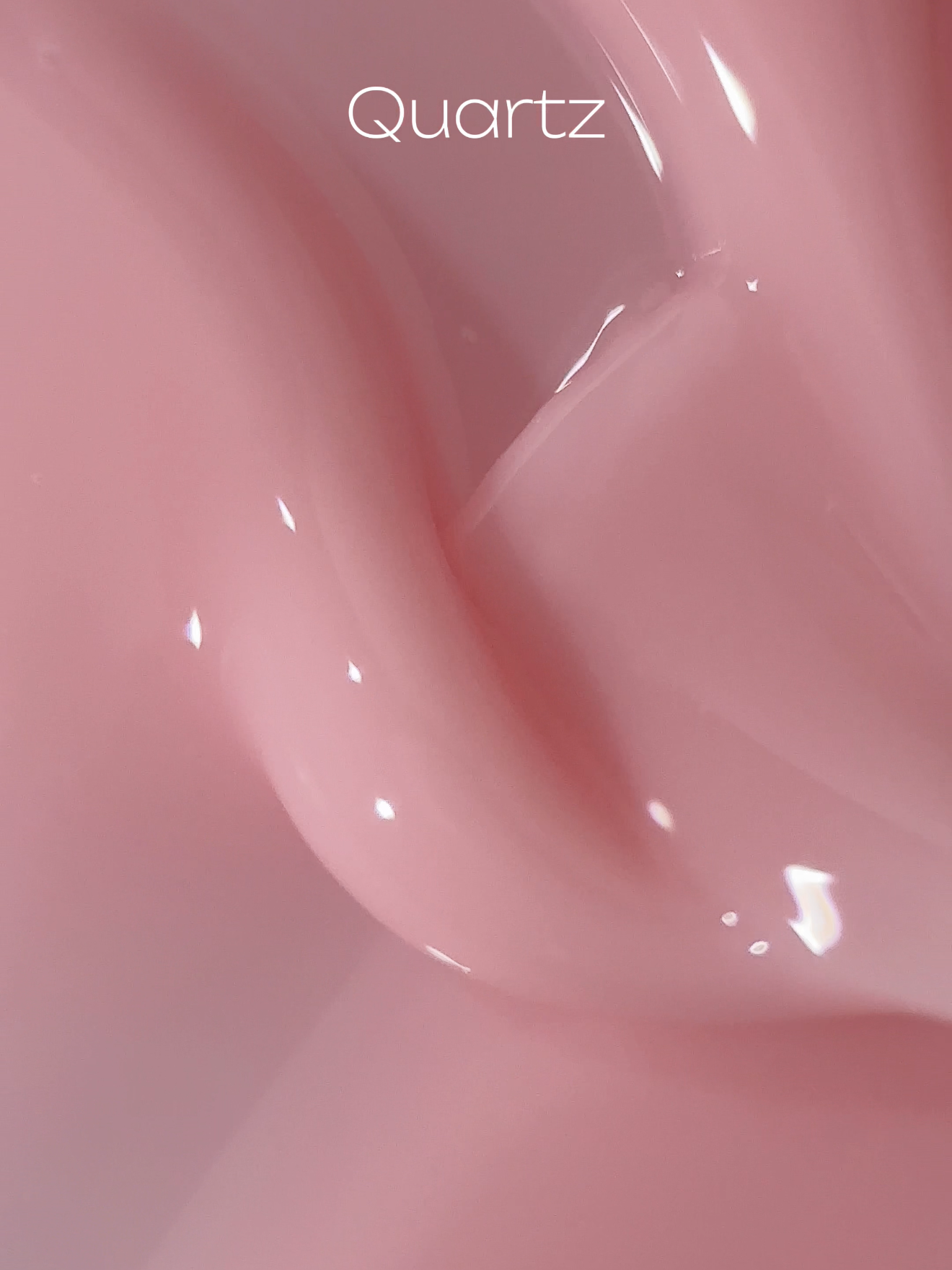
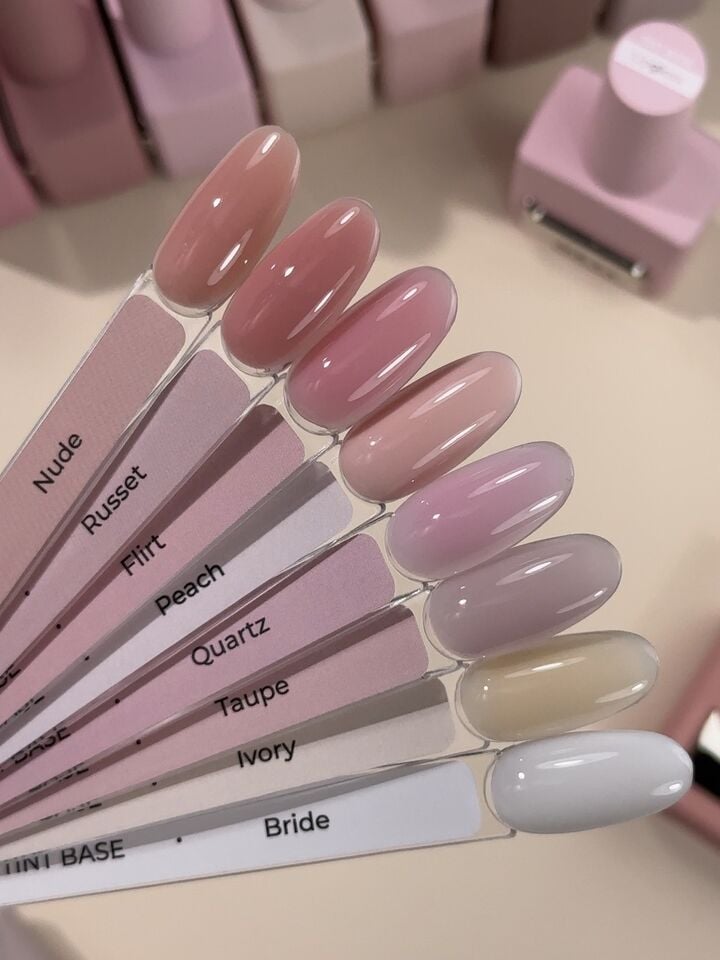
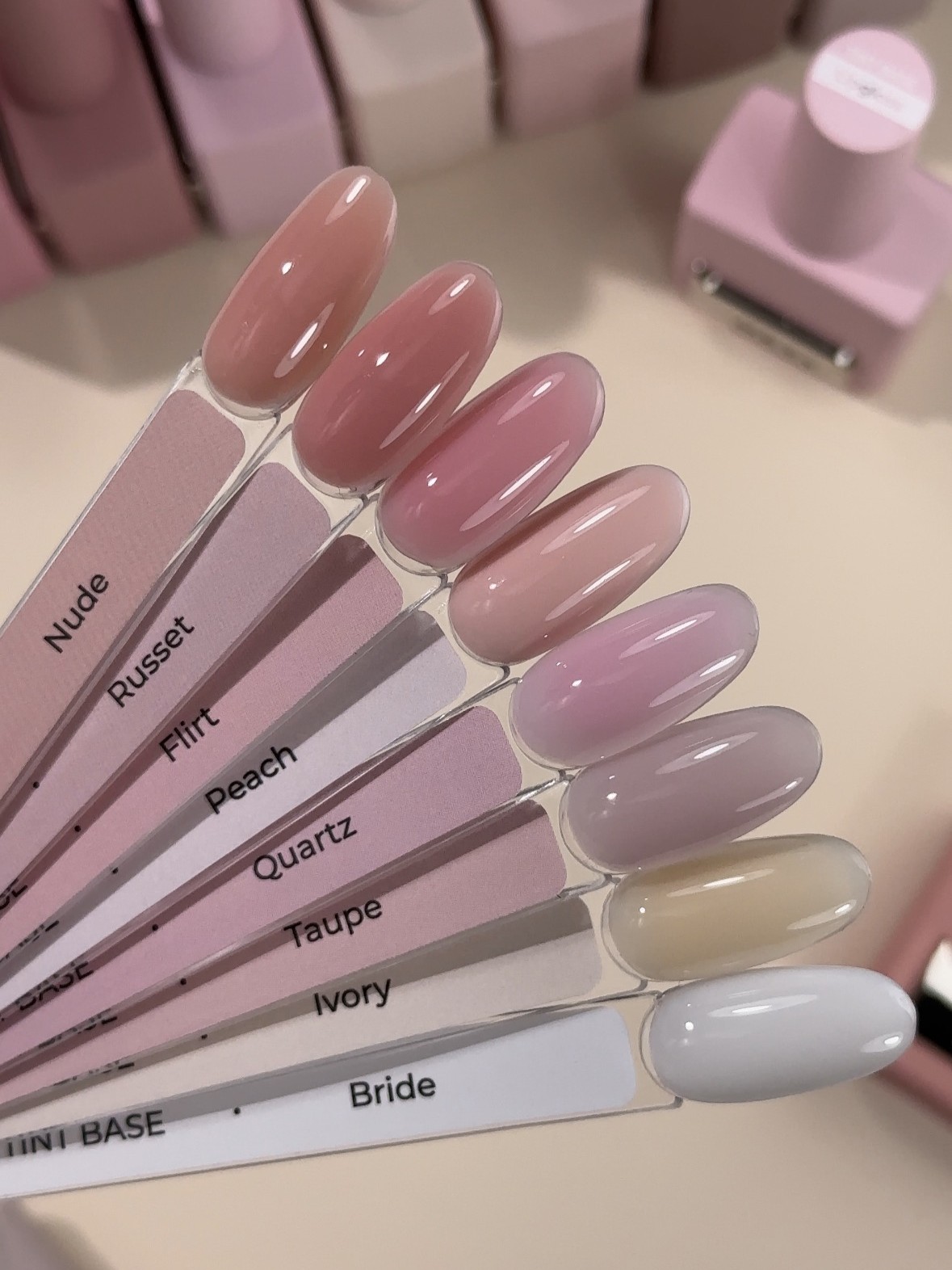
HEYLOVE. Tint base, QUARTZ, 15 ml, shading base
Pakujemy jutro
Pakujemy jutro
Przyjmujemy zamówienia do 15:00 czasu kijowskiego, pon.–pt.
Wysyłka nie jest wliczona w cenę
Zważymy spakowaną paczkę i wyślemy Ci zdjęcie na wadze razem z taryfą przewoźnika. Nie odpowiada Ci? Anuluj bezpłatnie.
Na cały świat, zwykle ~7 dni
Numer śledzenia zaraz po wysyłce. Europa — codzienni prywatni przewoźnicy (PL, DE, IT, ES, FR, CH).


Zapłać z dowolnego kraju
Karty, PayPal, Apple Pay, Revolut, Paysend, Western Union, SWIFT

 PayPal
Revolut
PayPal
Revolut
Konsultant, a nie robot
WhatsApp / Telegram / Viber +380 93 595 4926
Opis
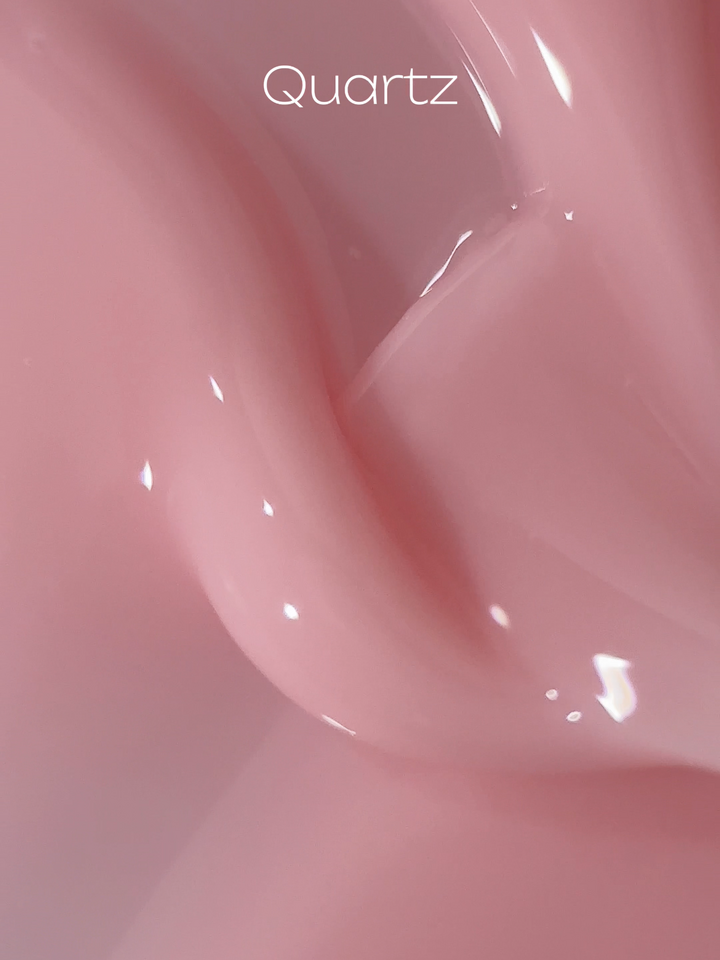
Due to dense pigmentation and elasticity, the QUARTZ tint base creates an ideally even coating already after the first layer is applied.
Shade: cool pink
Collection: NUDE
Consistency: medium
Flexibility/Elasticity: elastic
Acidity: neutral, pH=6.7
Scent: neutral
Pigmentation: dense, covers the free edge
Application method:
-
Thoroughly degrease the nail plate with a dehydrator phBond.
- Apply an acid-free primer to the nail tip Ultrabond and wait until the liquid is completely dry.
-
Apply a layer of clear base Rubber base as a substrate and polymerize for 30 seconds.
-
Apply one or two layers of Tint base. Polymerization time in a UV/LED lamp is 60 seconds.
-
Lastly, apply as the final layer Top Coat (top).
Volume: 15 ml
Manufacturer: TM "HEYLOVE"
Country: Ukraine
Ingredients (INCI): Polyacrylic Acid, HEMA, Hydroxycyclohexyl Phenyl Ketone, Ethyl Trimethylbenzoyl Phenylphosphinate, Silica. May Contain: Cl 45380, Cl 15850, Cl 77491, CI 15985, CI 77492, Cl 77007, Cl 77510, CI 77742, CI 77289, CI 77499, CI 77891, CI 7700, CI 77820
Attention! To avoid unwanted polymerization of the material during work, testing, or content shooting, keep the open bottle or brush as far away from daylight (especially direct sunlight) as possible. Please also note that even in cloudy weather, clouds transmit a large amount of ultraviolet radiation sufficient to start material polymerization. When painting tips, we recommend keeping the working side of the UV lamp in operation facing away from the master. If the lamp is held on with the light towards the master, unwanted polymerization of the material on the brushes and necks of open bottles may occur.
Note: all documents are in the attached files!
How to prevent bubbles in the material?Bubbles can appear in any liquid. This does not depend on the formula or ingredients. It depends on density (viscosity).
This is simply a law of physics, nothing else.
For example, in water, bubbles last very briefly and come out on their own.
If we take thicker liquids (honey, thick gel for extensions, etc.) - in these products, bubbles happily settle and do not leave them as quickly as water.
The same with base. If you work carelessly with a brush, sharply dipping it into the bottle, it unintentionally acts as a blender that mixes the material with air, forming bubbles. This especially applies to materials in bottles with a brush.
Therefore, make CAREFUL, gentle movements with the brush!
Especially when the bottle is new and full.
When we worked on the development of the tint base product, we had a choice of density. We deliberately chose a medium density consistency, because this has advantages:
- the material does not run, does not flow into cuticles;
- contours are clear without extra effort;
- the master can calmly lay down the architecture and has time to check it by the reflection;
- nie ma potrzeby nakładania drugiej warstwy w celu poprawienia architektury lub zakamuflowania wolnego brzegu.
W naszej produkcji posiadamy sprzęt, który zapobiega powstawaniu pęcherzyków w materiale na wszystkich etapach – od mieszania pigmentu po rozlew do butelek.
Ostrzegamy również naszych partnerów, że jesteśmy przeciwni otwieraniu przez konsultanta w sklepie butelki dla klienta i pokazywaniu materiału. Ponieważ konsultant, który nie jest mistrzem, nie rozumie, że pędzelkiem można narobić pęcherzyków, nawet nie zdając sobie z tego sprawy.
Nie mówiąc już o tym, że szyjki butelek wyglądają nieestetycznie, gdy są zabrudzone materiałem aż po samą górę.
Jeśli w materiale pojawiły się pęcherzyki, jak to naprawić?
Odkręć nakrętkę butelki, ale nie wyciągaj pędzelka.
Umieść w ciepłym (ale nie gorącym!) miejscu na noc.
Lub włóż butelkę do plastikowej torebki i zanurz w ciepłej wodzie (po ramionka).
Zgodnie z prawem fizyki, w ciepłym środowisku cząsteczki poruszają się szybciej, co przyspiesza proces.
Powietrze wydostanie się na powierzchnię, jest lżejsze od cieczy.
Specyfikacja
MarkaHEYLOVE
Typ produktuColor rubber base / Baza kamuflująca / kolorowa
Objętość15
KolekcjaNUDE
Kraj producentaUkraina
KoloryRóżowe / malinowe / fuksja
WłaściwośćGęsty
Dokumenty
Opinie 5
5,0