
Il carrello è vuoto


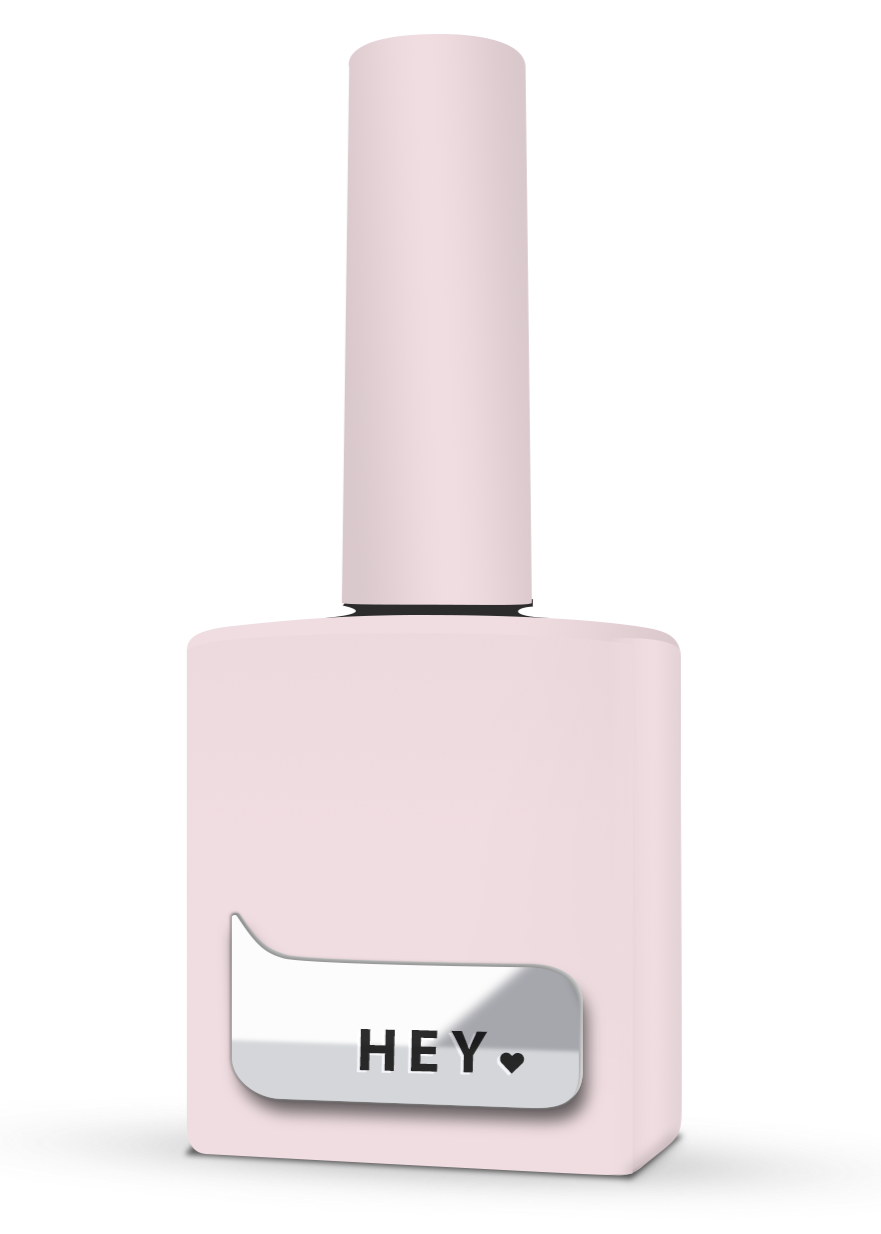
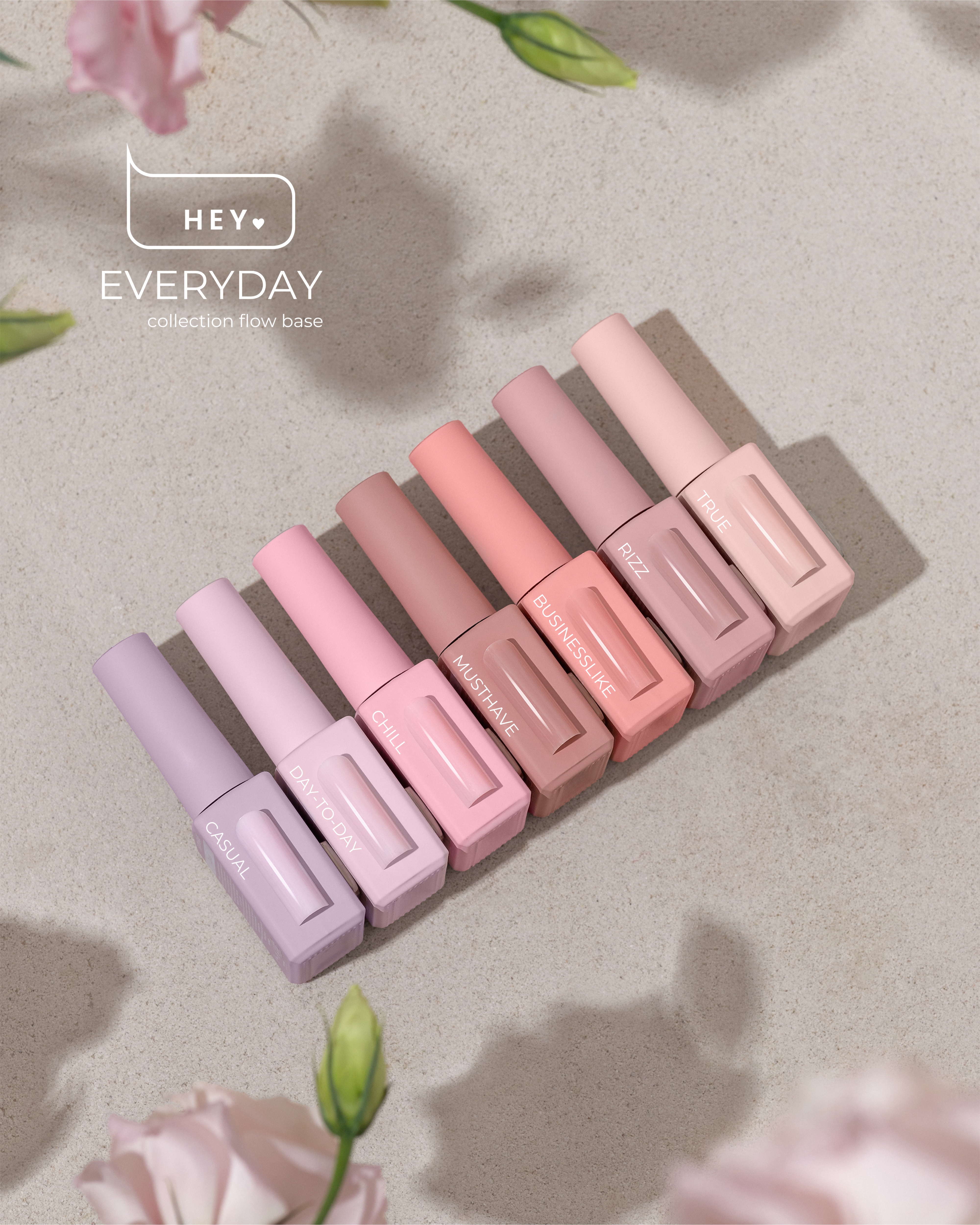
HEYLOVE. Flow base, DAY-TO-DAY, 15 ml, colored base of medium-thin consistency
Imballiamo domani
Imballiamo domani
Accettiamo gli ordini fino alle 15:00 ora di Kyiv, lun–ven
La spedizione non è inclusa nel prezzo
Pesiamo il tuo pacco imballato e ti inviamo una foto sulla bilancia insieme alla tariffa del corriere. Non ti convince? Annulla gratis.
In tutto il mondo, di solito ~7 giorni
Numero di tracciamento non appena spediamo. Europa — corrieri privati giornalieri (PL, DE, IT, ES, FR, CH).


Paga da qualsiasi paese
Carte, PayPal, Apple Pay, Revolut, Paysend, Western Union, SWIFT
 PayPal
Revolut
PayPal
Revolut
Un operatore vero, non un robot
WhatsApp / Telegram / Viber +380 93 595 4926
Descrizione
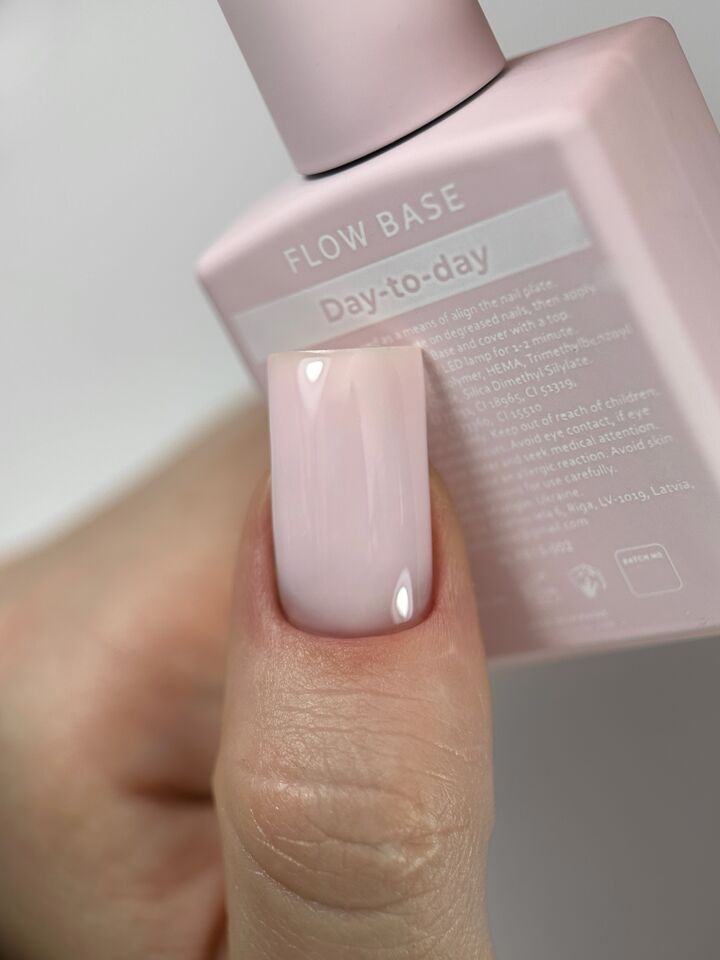
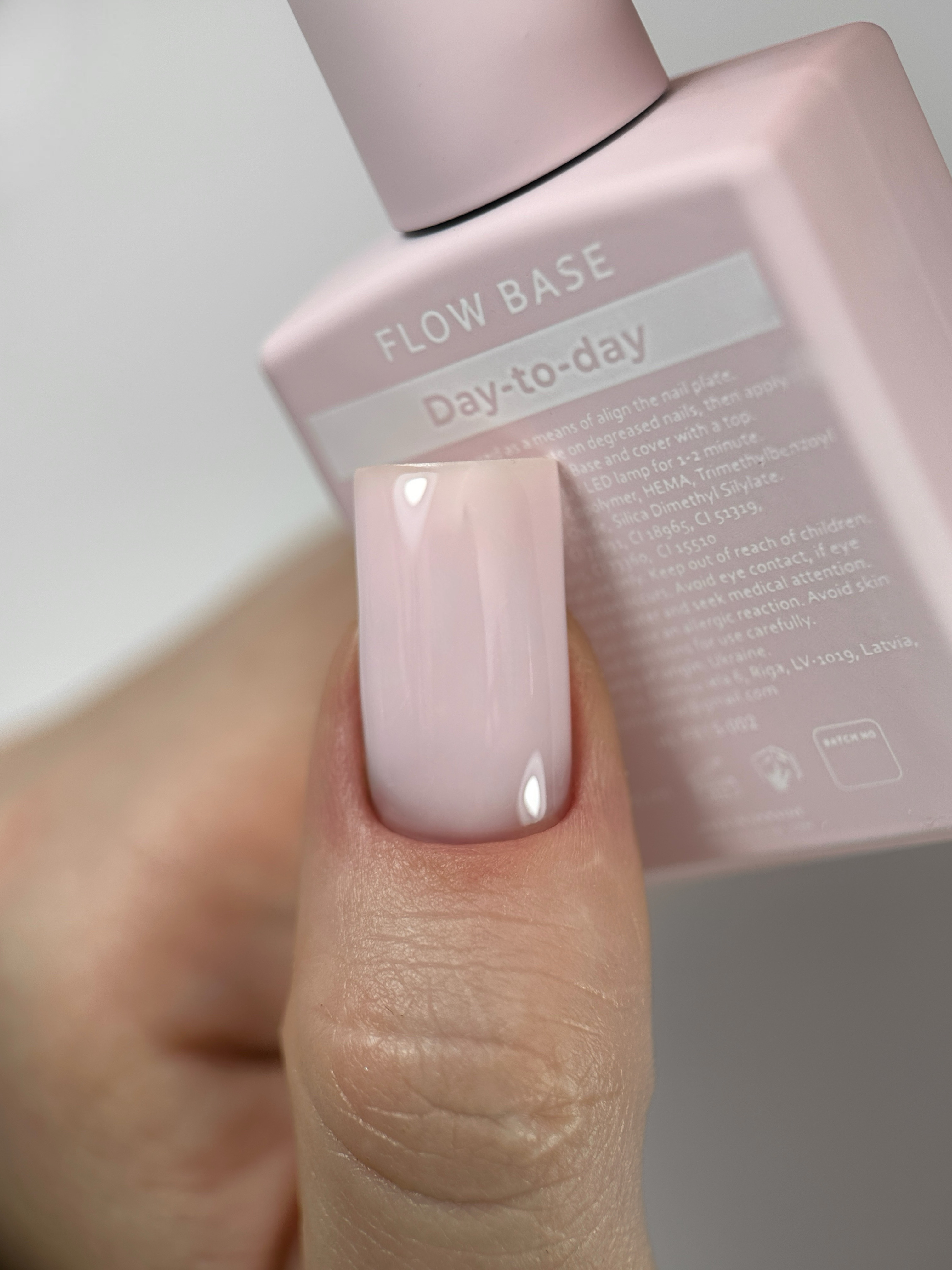
Grazie alla densa pigmentazione e all'elasticità, la base colorata DAY-TO-DAY crea una copertura perfettamente uniforme già dopo l'applicazione del primo strato.
Tonalità: lilla-rosa
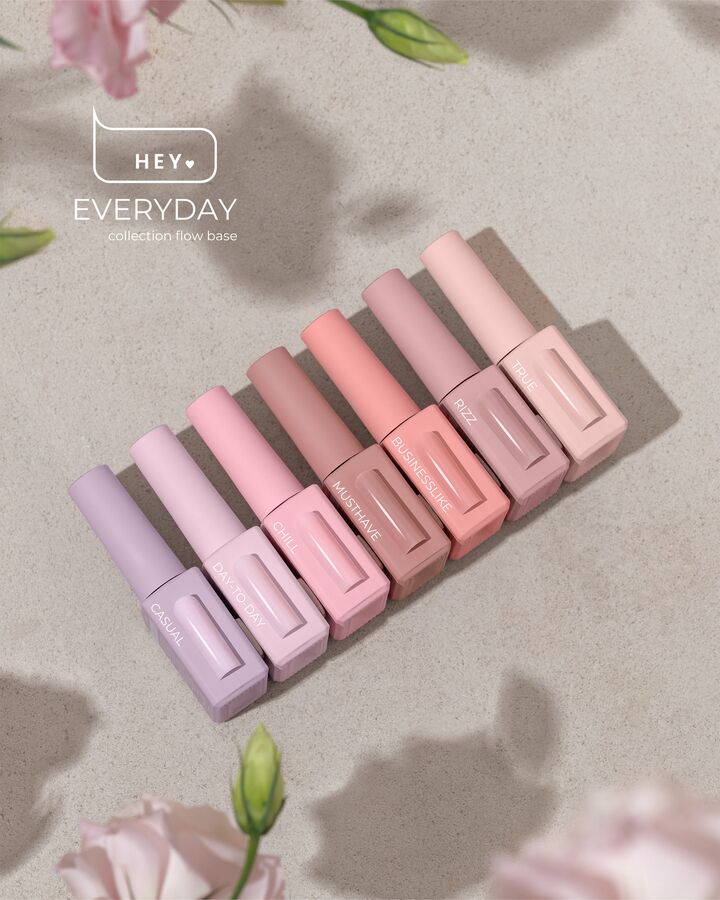
Collezione: EVERYDAY
Panoramica della collezione al link: https://www.instagram.com/p/DE4x8s7ICUB/
Consistenza: media, vicina a liquida
Durezza/elasticità: elastica
Acidità: neutra, pH=6,5
Odore: neutro
Pigmentazione: densa, copre il bordo libero
Modalità d'uso:
- Sgrassare accuratamente la lamina ungueale con un disidratatore phBond.
- Applicare un primer senza acido sulla punta dell'unghia Ultrabond e attendere la completa asciugatura del liquido.
- Applicare uno strato di base trasparente Rubber base come sottostrato e polimerizzare per 30 secondi.
- Applicare uno o due strati di Flow base. Tempo di polimerizzazione in lampada UV/LED 60 secondi.
- Come ultimo strato applicare il top coat (top).
Volume: 15 ml
Manufacturer: TM "HEYLOVE"
Country: Ukraine
Ingredients (INCI): Polyacrylic Acid, HEMA, Hydroxycyclohexyl Phenyl Ketone, Ethyl Trimethylbenzoyl Phenyiphosphinate, Silica. May Contain: Cl 45380, Cl 15850, Cl 77491, Cl 15985, CI 77492, Cl 77007, CI 77510, Cl 77742, Cl 77289, CI 77499, CI 77891, Cl 7700
Attention! To avoid unwanted polymerization of the material during work, testing or content creation, keep the open bottle or brush as far away from daylight (especially direct sunlight) as possible. Please also note that even on cloudy days, clouds let through a large amount of ultraviolet radiation sufficient for the material to start polymerizing. When staining tips, we recommend keeping the working side of the operating UV lamp facing away from the master. If you hold the turned-on lamp towards the master, unwanted polymerization of the material on the brushes and necks of open bottles may occur.
Note: all documents are in the attached files!
How to prevent bubbles in the material?
Bubbles can appear in any liquid. This does not depend on the formula or ingredients. It depends on density (viscosity).
It is simply a law of physics, nothing else.
For example, in water, bubbles last very shortly and exit on their own.
If we take thicker liquids (honey, thick building gel, etc.) - bubbles settle willingly in these products and do not leave them as quickly as water.
Same with the base. If you work carelessly with the brush, sharply dipping it into the bottle, it involuntarily acts as a blender that mixes the material with air, forming bubbles. This especially applies to materials in bottles with a brush.
Therefore, make CAREFUL, gentle movements with the brush!
Especially when the bottle is new and full.
When we worked on the development of the tint base product, we had a choice of density. We deliberately chose a medium-density consistency because there are advantages to this:
- the material does not run or seep anywhere;
- clear contours without extra effort;
- the master calmly builds the architecture and has time to check it by reflection;
- there is no need to apply a second layer to refine the architecture or camouflage the free edge.
Nel nostro stabilimento di produzione disponiamo di attrezzature che impediscono la formazione di bolle nel materiale in tutte le fasi, dalla miscelazione del pigmento al riempimento dei flaconi.
Avvertiamo inoltre i nostri partner che siamo contrari al fatto che un consulente in negozio apra il flacone per il cliente e mostri il materiale. Perché un consulente che non è un tecnico non capisce che con il pennello si possono creare bolle, anche senza rendersene conto.
Per non parlare del fatto che i colli dei flaconi hanno un aspetto antiestetico quando vengono sporcati di materiale fino all'orlo.
Se nel materiale sono comparse bolle, come risolvere?
Svitare il tappo del flacone, ma non estrarre il pennello.
Mettere in un luogo caldo (ma non bollente!) per una notte.
Oppure mettere il flacone in un sacchetto di plastica e immergerlo in acqua calda (fino al collo).
Secondo le leggi della fisica, in un ambiente caldo le molecole si muovono più velocemente, e questo accelera il processo.
L'aria salirà in superficie, è più leggera del liquido.
Caratteristiche
MarcaHEYLOVE
Tipo di prodottoColor rubber base / Base camouflage colorata
Volume15
CollezioneEVERYDAY
Paese produttoreUcraina
ColoriRosa / lampone / fucsia
Proprietàdenso, Liquido
Documenti
Recensioni 2
5,0